The Blade’s Edge Mountains in World of Warcraft: The Burning Crusade expansion are notorious among players for their challenging navigation and complex terrain. This zone, filled with verticality and treacherous paths, often leads to frustration rather than exploration. Understanding the design choices and gameplay mechanics that contribute to this perception can enhance player experience and strategy. In this guide, we will delve into the specific aspects that make Blade’s Edge Mountains a uniquely challenging zone.
What Are the Key Navigation Challenges in Blade’s Edge Mountains?
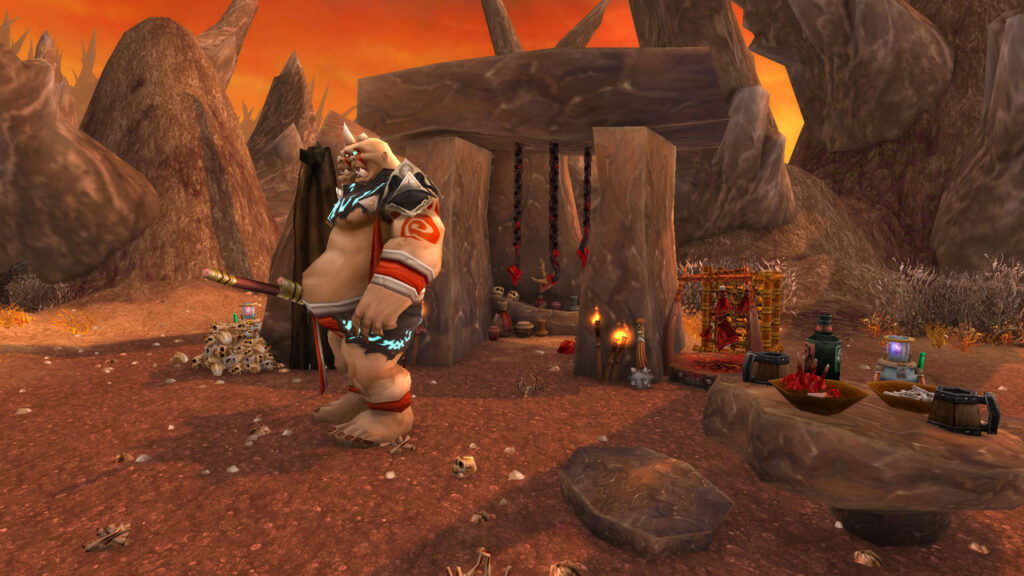
The Blade’s Edge Mountains present significant navigation challenges due to its vertical terrain, complex quest layouts, and limited flight paths, making traversal cumbersome and frustrating for players.
Players often encounter obstacles that hinder their ability to navigate efficiently. The zone’s design includes steep cliffs, narrow ledges, and a lack of clear pathways, which can lead to confusion and disorientation. The quest layout further complicates navigation, with objectives scattered across the mountainous terrain. Below is a comparative table that highlights the key navigation metrics of Blade’s Edge Mountains versus other zones in The Burning Crusade.
| Zone | Verticality (Height Variance) | Quest Density | Flight Path Accessibility |
|---|---|---|---|
| Blade’s Edge Mountains | High | Medium | Limited |
| Nagrand | Low | High | Extensive |
| Hellfire Peninsula | Medium | High | Moderate |
Why Does Verticality Impact Navigation in Blade’s Edge Mountains?
The high verticality in Blade’s Edge Mountains significantly impacts navigation, creating a sense of disorientation and frustration for players attempting to complete quests or explore the area.
Verticality in game design can enhance immersion but also introduces challenges. In Blade’s Edge Mountains, the terrain features steep cliffs and deep ravines that require careful planning to traverse. Players may find themselves falling from heights, leading to unnecessary deaths and delays. The lack of clear landmarks exacerbates this issue, as players struggle to orient themselves amidst the towering peaks and deep valleys. Furthermore, the zone’s design often necessitates backtracking, which can feel tedious and frustrating.
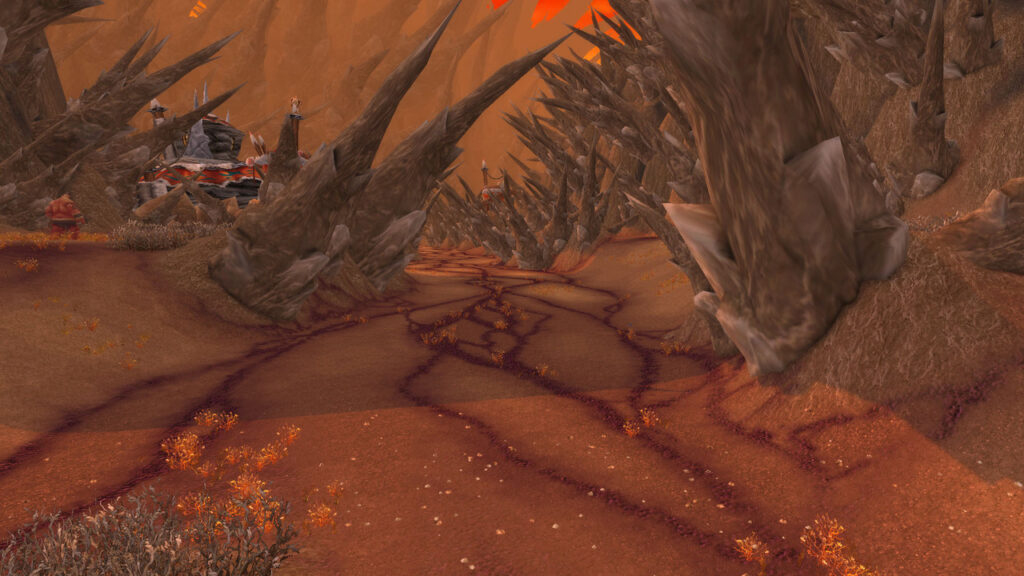
From a gameplay mechanics perspective, the vertical design requires players to utilize specific skills or mounts to navigate effectively. For instance, players may need to rely on gliding or slow-fall abilities to traverse gaps safely. Additionally, the use of flying mounts is limited until players reach a certain level, which can hinder exploration. Understanding these mechanics is crucial for players looking to minimize frustration and maximize their efficiency in navigating the zone.
What Steps Can Players Take to Navigate Blade’s Edge Mountains More Effectively?
Players can navigate Blade’s Edge Mountains more effectively by utilizing specific strategies, including careful planning, using maps, and leveraging available mounts or abilities.
To navigate this challenging zone, players should adopt a strategic approach. First, familiarize yourself with the zone’s layout using in-game maps or external resources. This knowledge can help you identify key landmarks and quest locations. Second, prioritize quests that are geographically close to each other to minimize unnecessary travel. Third, consider using a flying mount to bypass difficult terrain, especially when completing quests that require backtracking. Finally, be prepared to adapt your route based on real-time observations of the environment.
- Study the in-game map to identify key landmarks and quest locations.
- Group nearby quests to reduce travel time and avoid backtracking.
- Utilize flying mounts to navigate over difficult terrain.
- Be flexible and adjust your route based on environmental observations.
What Are the Critical Parameters for Successful Navigation in Blade’s Edge Mountains?
Successful navigation in Blade’s Edge Mountains relies on understanding terrain features, quest layouts, and environmental hazards that can impede progress.
Critical parameters for navigation include awareness of terrain features such as cliffs, ledges, and narrow pathways. Players should also be mindful of environmental hazards, such as aggressive NPCs or hostile creatures that can disrupt travel. Additionally, understanding the quest layout is essential; many quests require players to traverse multiple locations, making it vital to plan routes that minimize backtracking. Utilizing available resources, such as community forums or guides, can provide insights into effective navigation strategies.
In conclusion, players should develop a tactical framework for navigating Blade’s Edge Mountains. This includes leveraging terrain knowledge, optimizing quest completion strategies, and utilizing available mounts or abilities to enhance mobility. By doing so, players can transform a frustrating navigation experience into a more manageable and enjoyable one.
What Common Issues Do Players Face When Navigating Blade’s Edge Mountains?
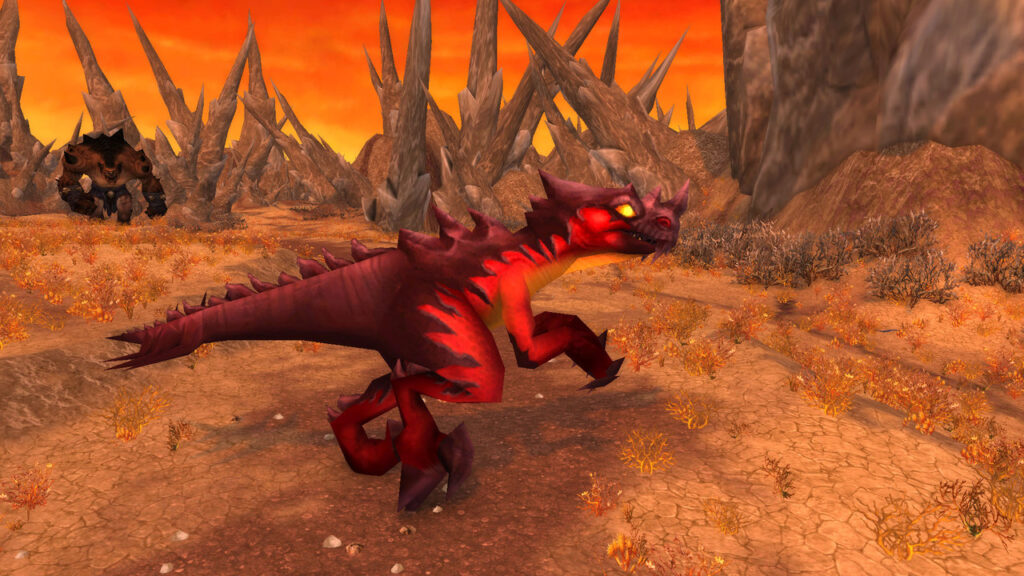
Common issues players face in Blade’s Edge Mountains include disorientation due to verticality, difficulty in locating quest objectives, and the risk of falling or dying from heights.
Players often report feelings of disorientation when navigating the complex terrain of Blade’s Edge Mountains. The steep cliffs and deep ravines can obscure visibility, making it challenging to locate quest objectives. Additionally, the risk of falling from heights can lead to frustrating deaths, especially for players unfamiliar with the terrain. These issues can create a negative gameplay experience, leading to increased frustration and decreased enjoyment.
What Future Trends Could Improve Navigation in Zones Like Blade’s Edge Mountains?
Future trends in game design could enhance navigation in zones like Blade’s Edge Mountains through improved map features, enhanced environmental cues, and player-friendly mechanics.
As game design evolves, developers may implement features that improve navigation in complex zones. Enhanced map features, such as dynamic markers or real-time updates, could help players orient themselves more effectively. Additionally, improved environmental cues, such as visual indicators for quest objectives or clearer pathways, could reduce confusion. Player-friendly mechanics, such as teleportation points or improved mount abilities, could further enhance mobility and exploration.